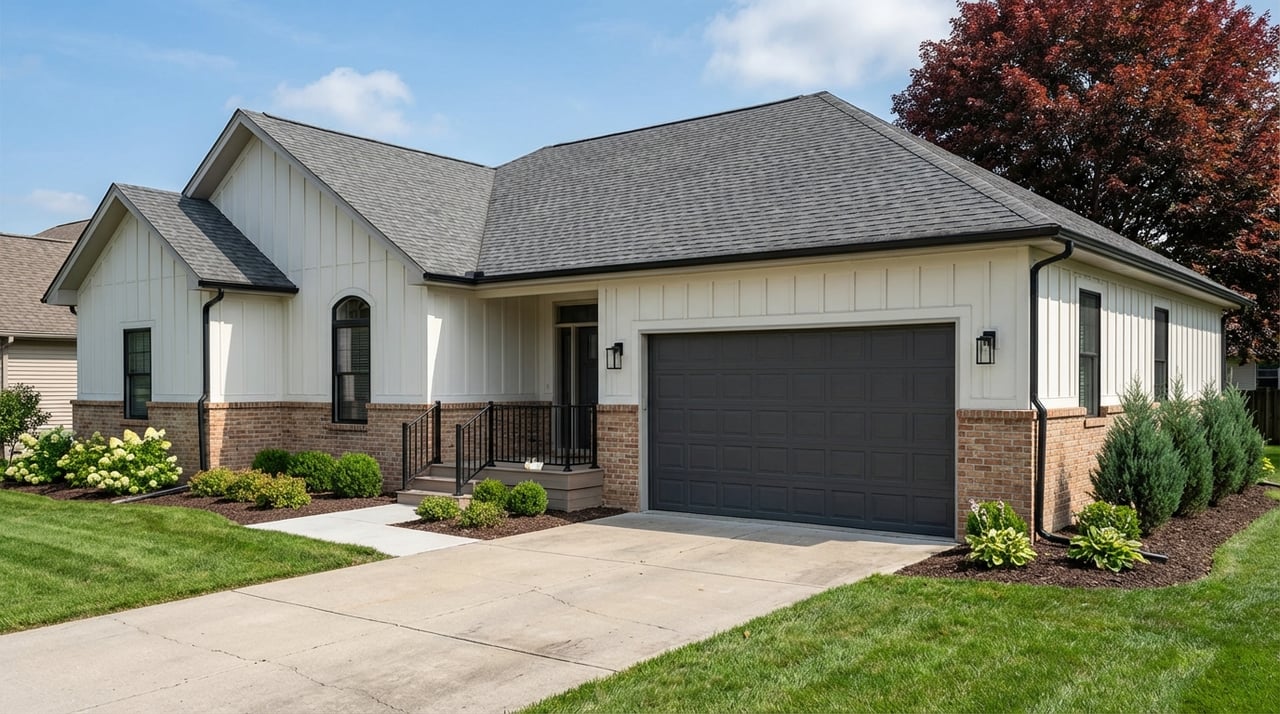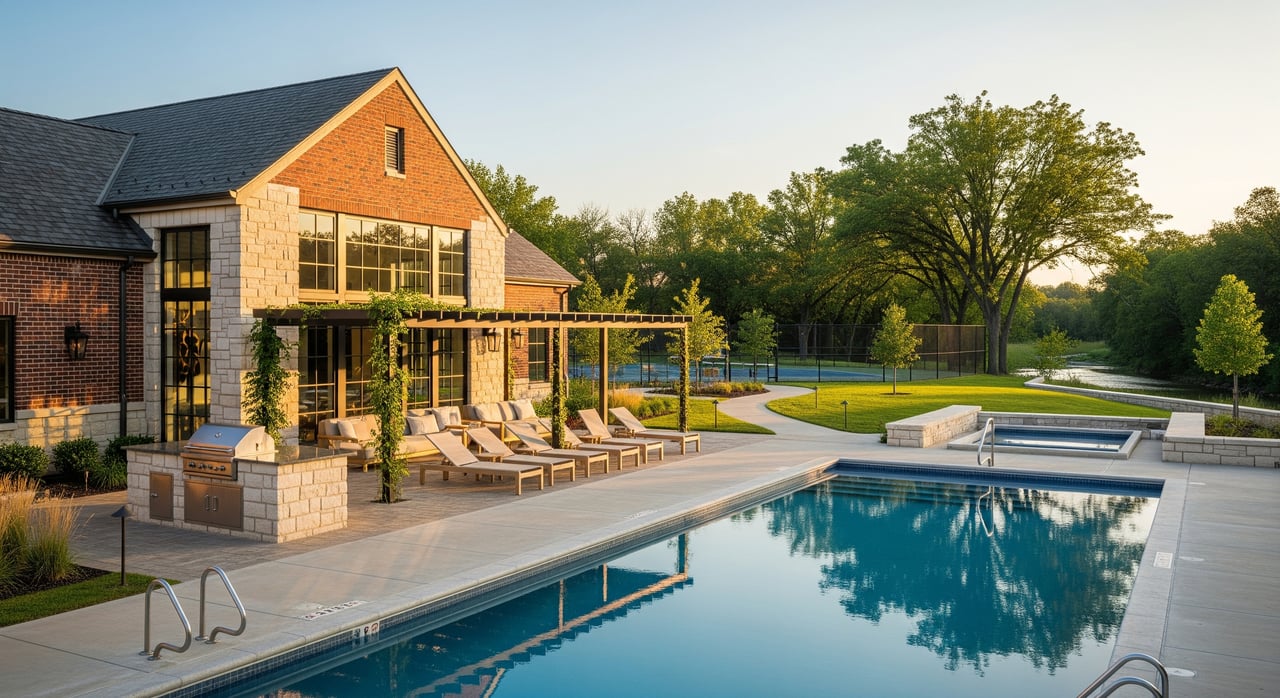
Comparing Shoal Creek neighborhoods but unsure what each HOA actually covers? You are not alone. Dues, amenities, and rules can vary a lot from one community to the next, and the fine print matters for your budget and lifestyle. This guide breaks down typical coverage, common amenities, key documents to review, and local Clay County checks so you can buy with confidence. Let’s dive in.
What Shoal Creek HOAs usually cover
Common inclusions in dues
- Maintenance of common areas and landscaping for entries, parks, medians, and greens.
- Operations and upkeep for amenities like pools, clubhouses, playgrounds, sports courts, and trails.
- Insurance for common areas and liability coverage for shared facilities.
- Management and administrative costs, including accounting, legal, and communication tools.
- Utilities for shared spaces, such as pool and clubhouse power/water and irrigation.
- Reserve funding for future repairs to shared elements and major amenities.
- Snow removal when streets or sidewalks are private and maintained by the HOA.
- Trash and recycling when the association contracts service for the community.
- Gate operations or security services where applicable.
What is not typically included
- Maintenance to the interior or exterior of single-family homes, unless the community is designed for exterior maintenance.
- Individual homeowner insurance for your home and belongings.
- Your home’s utilities like electric, gas, and water, unless a community meter covers a service.
- Landscaping on your private lot, unless your HOA lists lawn care as included.
- One-time special assessments for large capital projects not covered by regular dues.
Neighborhood amenities you will see in Shoal Creek
Everyday recreation features
- Outdoor pools and pool houses.
- Trails, sidewalks, and greenways connected to Shoal Creek natural areas.
- Clubhouses or community rooms for events.
- Playgrounds, picnic shelters, and multiuse open spaces.
- Sports courts like tennis, basketball, and the increasingly popular pickleball.
- Stormwater ponds and retention basins maintained by the HOA.
- In some pockets, private roads or gated entrances.
How amenities affect dues and value
More amenities usually mean higher dues and larger reserves, but they can add daily convenience and recreation. Pools and clubhouses tend to drive seasonal costs, while trails typically require less ongoing expense. Private roads and snow removal often matter most in winter. Consider what you will use, and weigh the cost of paying for amenities through dues against paying for private services on your own.
What to request from the HOA before you offer
Essential documents to request early
- CC&Rs, Bylaws, and Articles of Incorporation.
- Rules and Regulations, plus Architectural Guidelines and approval procedures.
- Current budget, recent financial statements, and the reserve study with reserve balance.
- Meeting minutes for the past 12–24 months.
- Insurance certificates for common areas and directors and officers coverage.
- Assessment and violation history for the specific property.
- Contracts with vendors for management, landscaping, pool operations, snow removal, and trash.
- Litigation disclosures.
- Estoppel certificate during escrow to confirm dues and any outstanding amounts.
How to review quickly and effectively
- Compare the operating budget to actual expenses and ensure routine services are fully covered.
- Check reserve strength against upcoming capital needs. Low reserves plus aging amenities can signal special assessments.
- Confirm how assessments are structured, how dues can increase, and any late fee or penalty policies.
- Note transfer fees, move-in/out rules, and timelines that could affect your closing.
Rules that impact your plans
- Rental and short-term rental policies and any occupancy limits.
- Architectural control requirements for exterior changes, paint, fences, and additions.
- Enforcement powers and typical fines so you understand how rules are applied.
- Insurance scope to see what the HOA insures versus what you must cover as an owner.
Clay County practical checks
Roads, snow, and maintenance
Public roads are the responsibility of the county or city. Private streets, private sidewalks, and community-only lighting are usually HOA responsibilities. Verify road ownership in recorded documents, and confirm whether your dues include snow removal for private streets, sidewalks, or just trails.
Stormwater, floodplain, and retention ponds
Shoal Creek and nearby tributaries create pockets of floodplain. Check county and FEMA maps for floodplain designation on any lot you are considering. Review HOA responsibilities for retention basins and stormwater systems, including maintenance plans. Ask whether past flooding or system repairs led to special assessments or insurance claims.
Trash, utilities, and permits
Some HOAs include trash and recycling in dues, while others require owners to set up service directly. For exterior changes and additions, remember that you need both HOA approval and permits that comply with local zoning and building codes.
Red flags and smart negotiation moves
Red flags in HOA records
- Low or zero reserves with known repairs on the horizon.
- Frequent special assessments in recent years.
- Ongoing or large-scale litigation that could add future costs.
- Missing or late financial statements, or poor documentation.
- High board turnover or strained board–management relationships in meeting minutes.
- Strict or unclear architectural rules that conflict with your renovation plans.
Offer strategies to protect your budget
- Make your offer contingent on reviewing the full HOA packet, including finances and rules, within a set timeline.
- If reserves are thin or projects are planned, negotiate credits, seller-paid fees, or funds held in escrow.
- If you plan updates, request clarity on architectural review timelines or conditional approvals in writing.
- For condos and townhomes, get the estoppel and any lender-required project approvals started early.
Quick buyer checklist for Shoal Creek HOAs
- Confirm what dues include: landscaping, amenities, snow removal, trash, and utilities for common areas.
- Verify reserve health against upcoming capital needs.
- Review minutes for assessment history, disputes, or major projects.
- Understand rental rules and any limits that affect future plans.
- Check if streets are private and what snow removal covers.
- Review stormwater responsibilities and floodplain status.
- Match HOA insurance to your owner’s policy to avoid gaps.
- Confirm transfer fees, move-in rules, and any special costs before closing.
Buying in a Shoal Creek–area community can be a great fit when you know exactly what your dues buy and how the HOA is managed. If you want help comparing neighborhoods, reading the fine print, or aligning amenities with your lifestyle and budget, reach out to Carma Goin to Schedule Your Free Consultation.
FAQs
What do HOA dues typically cover in Shoal Creek?
- Dues often cover common-area landscaping, amenity operations, insurance for shared spaces, management and admin costs, utilities for common facilities, reserves, and sometimes trash and snow removal.
Are pools and clubhouses open year-round in Shoal Creek communities?
- Many amenities are seasonal, especially pools, so confirm operating months, access rules, and any membership or reservation requirements before you buy.
How can I tell if a road is private in Clay County?
- Check recorded documents and HOA materials for road ownership; private streets are usually maintained by the HOA, which can include snow removal funded by dues.
What should I look for in an HOA budget and reserves?
- Ensure the operating budget covers routine services and that reserves match forecasted capital needs; low reserves with aging amenities can mean future special assessments.
Can I rent out my home in a Shoal Creek HOA?
- Rental and short-term rental rules vary by community, so review the CC&Rs and Rules and Regulations to confirm what is allowed and any caps, permits, or registration requirements.