Wondering whether a townhome or a single-family home is the better fit for your life in Parkville? You are not alone. Many buyers here want lower maintenance and modern finishes without losing space or future resale potential. In this guide, you will get a clear, Parkville-specific comparison of ownership, maintenance, layouts, HOA factors, and long-term value so you can choose with confidence. Let’s dive in.
Parkville snapshot
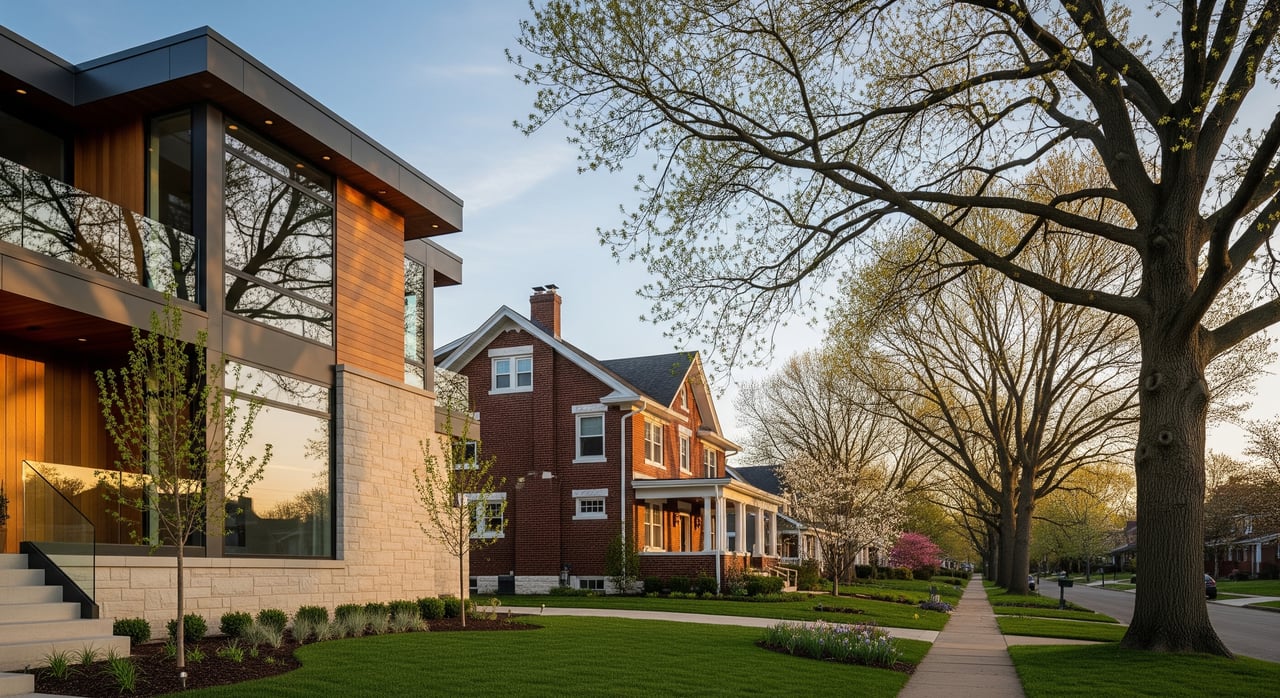
Parkville sits along the Missouri River with a blend of established neighborhoods and active new development. The Creekside master plan is adding a large supply of new homes, including many townhomes, which gives you more attached options than in years past. Most of Parkville falls within the Park Hill School District, which many buyers consider when comparing homes for long-term resale potential. You will also find strong lifestyle anchors like Old Town and the riverfront at English Landing Park, both of which draw steady buyer interest and help support demand over time.
Ownership and maintenance at a glance
Townhome essentials
Most Parkville townhomes are part of a common-interest community with an owners association. You typically own the interior of the unit and possibly a limited parcel, while exterior and shared elements are governed by the association. Missouri regulates how these communities are structured, so it is smart to confirm rights and responsibilities in the title and CC&Rs and understand the state framework under the Uniform Condominium Act. You can review the state statute for context at the Missouri Revisor of Statutes on the Uniform Condominium Act chapter.
Single-family essentials
With a detached single-family home, you usually have fee simple ownership of the house and lot. That means you control and maintain the exterior, yard, and private systems. Some newer subdivisions still have an HOA that handles limited items like neighborhood amenities or trash service, but many older Parkville areas do not. Always confirm whether a home has an HOA and what, if anything, it covers.
Who handles maintenance
What many townhome HOAs cover
In Parkville communities, especially newer phases near Creekside, many townhome HOAs include exterior building maintenance, roof and gutter responsibility, lawn care, and snow removal. A recent local example showed an HOA around 169 dollars per month that listed lawn care, exterior maintenance, and snow removal among the covered services. Fees and inclusions vary by community and phase, so use that number as a reference point, not a rule.
To verify specifics, ask for the full HOA packet. The Community Associations Institute offers helpful guidance on what these documents are and why they matter. Reviewing them early keeps surprises off your closing table.
What single-family owners budget for
If there is no HOA, you budget for mowing and landscaping, snow removal, roof repair or replacement, exterior painting or siding upkeep, driveway sealing or replacement, and tree work. Costs swing based on lot size, age of systems, and whether you do the work yourself or hire it out. The annual total can be higher or lower than a townhome once you add everything up, which is why net monthly cost is the better comparison.
Layouts and lifestyle in Parkville
Townhome living
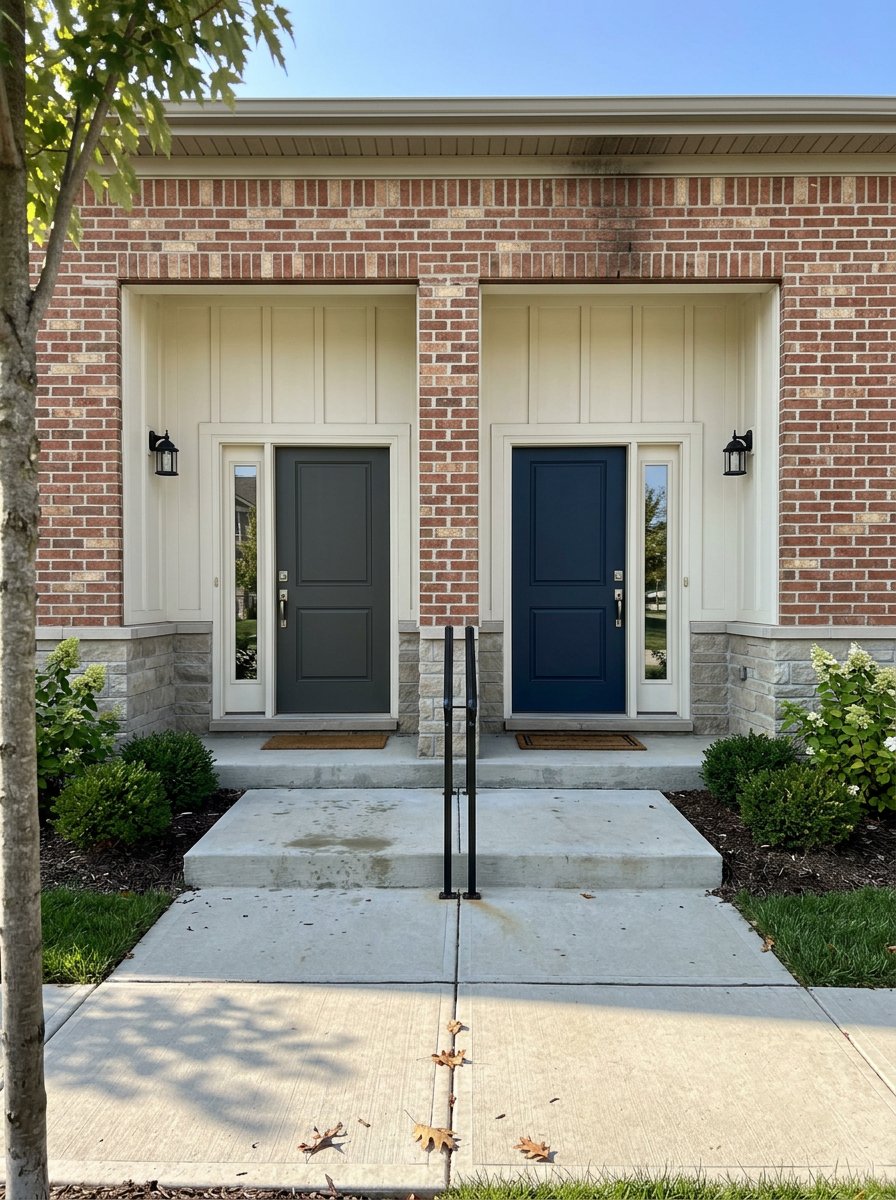
Expect 2 or 3 stories with 2 to 4 bedrooms, a 1 to 2 car garage, and in some cases a finished basement or walkout end unit. Many newer townhomes offer open main levels and modern kitchens, which match well with a lock-and-leave lifestyle. You trade some yard space for convenience and predictable maintenance.
Single-family living
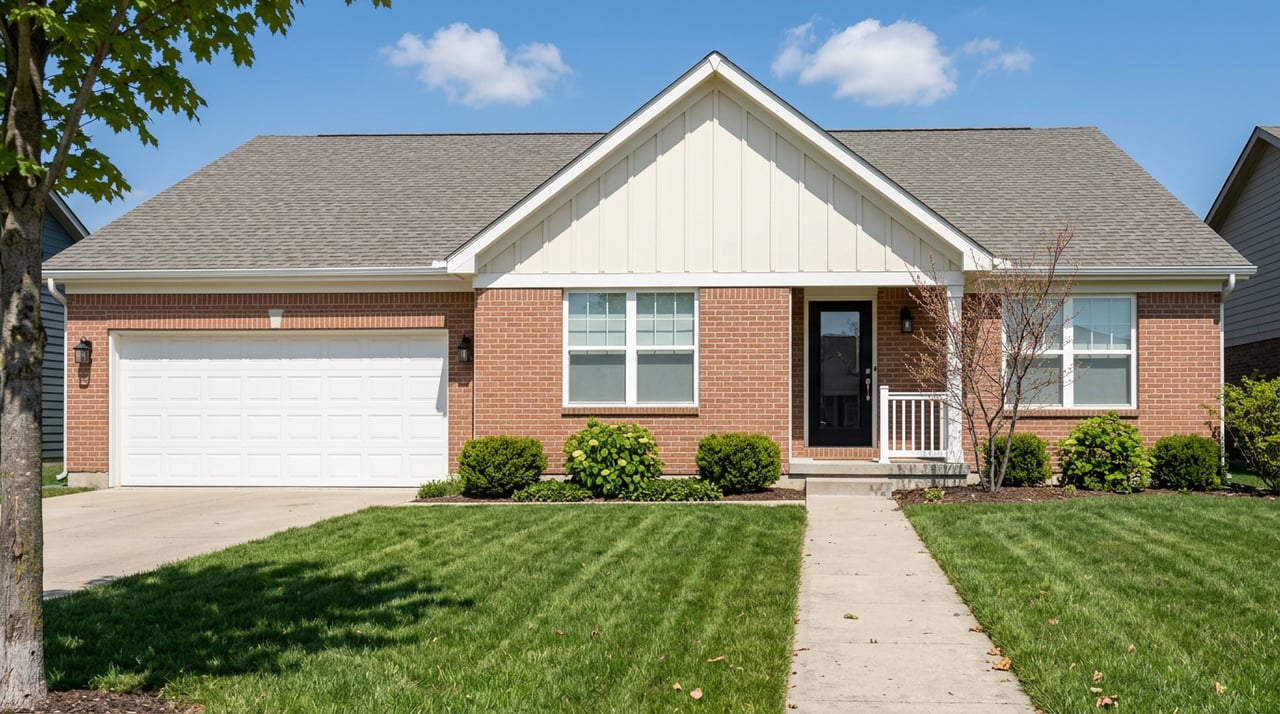
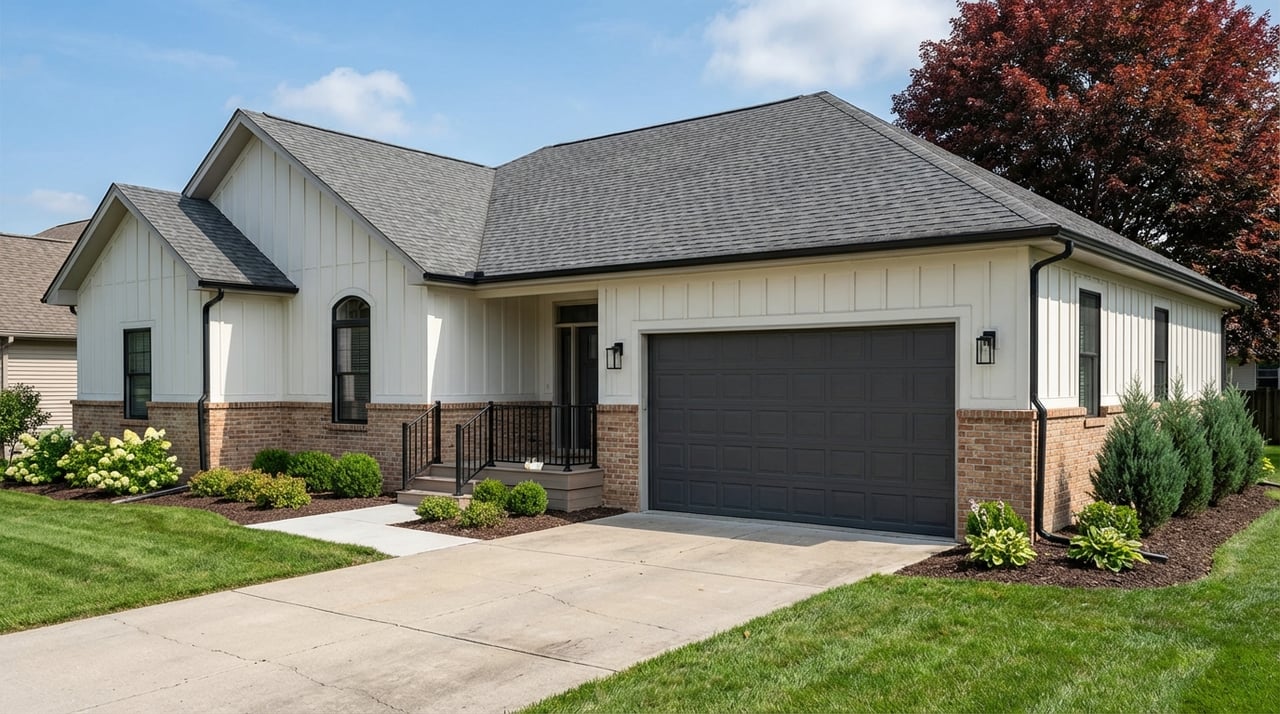
Parkville single-family homes range from modest ranch and raised-ranch plans to larger new-construction builds with 2,700 square feet or more. You will often see 2 or 3 car garages, larger yards, and flexible outdoor space for gardens, pets, or play. You gain privacy and flexibility for upgrades, but you also take on exterior and yard responsibilities.
Ongoing costs and insurance
Comparing a townhome and a single-family house works best when you add everything into one picture. For a townhome, start with your mortgage payment and add the monthly HOA fee plus property taxes and insurance. For a single-family home, add estimated yard care and budget for periodic big-ticket items like roofs or exterior paint.
Parkville taxes are parcel specific. Use the Platte County Assessor and Collector tools to review an address and estimate the tax bill. Parkville includes a city levy component that appears on the bill, so checking the exact parcel is the only accurate way to plan.
Insurance also differs by property type. Some townhome communities carry a master policy that covers exterior elements, which can shift your personal policy to HO-6 (walls-in) coverage. Detached homes typically use an HO-3 policy that covers the structure. Confirm coverage requirements in the HOA insurance declarations and with your insurer, since each community’s policy lines can be different.
HOA documents to request
Before you fall in love with any townhome or single-family home that sits in an HOA, ask for the full resale disclosure packet. The Community Associations Institute explains each document and why it matters. Request and review:
- Declaration and CC&Rs. Defines owner duties, common elements, and use restrictions.
- Bylaws and rules. Shows how the community is governed and the day-to-day rules like parking, exterior changes, or short-term rentals.
- Current budget and recent financials. Reveals how operations are funded and whether dues are adequate.
- Reserve study or summary. Indicates whether the HOA is saving for big future costs like roofs, siding, or streets.
- Last 12 months of meeting minutes. Surfaces planned projects, enforcement patterns, owner concerns, and potential assessments.
- Insurance declarations for the master policy. Clarifies what the association insures and what you must cover.
- Any litigation or liens. Flags risks that can impact dues, assessments, or financing.
These are best reviewed during your contingency period. A knowledgeable local agent or attorney can help summarize legal language and highlight what directly affects you.
Red flags to watch
- Low reserves or no reserve study in an older community.
- Multiple special assessments in the last 3 to 5 years.
- Pending litigation involving the association or developer.
- High investor or tenant occupancy that could complicate financing.
- Vague insurance language that blurs who covers exterior elements.
Resale factors in Parkville
- Price band and buyer pool. Townhomes often offer a lower entry price compared with many single-family homes in Parkville. Newer townhomes may list in the 300 thousand dollar range while many single-family homes trade higher, often in the 500 thousand dollar and up band depending on age, size, and location. Always compare net monthly cost that includes mortgage, HOA, property taxes, and insurance rather than price alone.
- School district and amenities. Most of Parkville falls in the Park Hill School District. For neutral boundary context, you can view district materials directly. Proximity to English Landing Park and Old Town Parkville can be a plus for future resale since many buyers value walkability and outdoor access.
- Flood risk and insurance. Homes near the riverfront and in lower-lying areas may be in or near FEMA flood zones. Check the FEMA Map Service Center for any address and review seller disclosures for past claims. If a property is in a flood zone, factor the required flood insurance into your monthly cost and confirm lender requirements.
- HOA rules and buyer pool. Rental restrictions, pet policies, and architectural controls can narrow or widen your future audience. Clear, predictable rules can support values, but strict limits may reduce certain buyer segments. Balance what fits your lifestyle today with what helps resale later.
A simple decision guide
You might lean townhome if:
- You want low-maintenance living with exterior care handled by the HOA.
- You prefer newer finishes and modern layouts, especially in Creekside-area communities.
- You travel often or want a lock-and-leave lifestyle.
- Predictable monthly costs suit your budget better than occasional big-ticket repairs.
You might lean single-family if:
- You want a larger yard, more privacy, or space for pets and outdoor projects.
- You value flexibility to add a deck, garden beds, or other exterior upgrades.
- You are comfortable budgeting for upkeep like roofs, paint, and landscaping.
- You want the widest pool of future buyers who prioritize lot size and privacy.
Your next steps
- Request the full HOA packet early. Ask for CC&Rs, bylaws, budget, reserve study, minutes, insurance declarations, and any litigation summary. The Community Associations Institute offers helpful guidance on what to look for.
- Verify property taxes for the exact parcel. Use the Platte County Assessor and Collector tools to estimate taxes and understand levies included in the bill.
- Check flood status for the specific address. Use FEMA’s Map Service Center and review seller disclosures for any prior flood claims.
- Compare net monthly cost. Add mortgage, HOA, taxes, insurance, utilities, and realistic maintenance. Use a contractor estimate for yard and exterior upkeep on single-family homes.
- Ask about owner-occupancy, rental rules, and recent special assessments. Have your agent or attorney clarify any gray areas in the documents.
- If possible, attend an HOA meeting or review recent minutes. You will learn a lot about enforcement style, upcoming projects, and board responsiveness.
Ready to walk through your options or tour both types side by side in Parkville? Reach out to Carma Goin for local guidance, clear cost comparisons, and a calm, step-by-step plan from search to closing.
Carma Goin is here to help you move forward with confidence.
FAQs
Is a Parkville townhome cheaper to own than a single-family house?
- It depends, since you must add the HOA fee to your mortgage, taxes, and insurance, then compare that total to a single-family’s costs plus yard care and periodic exterior repairs.
What HOA documents should I review before buying in Parkville?
- Ask for CC&Rs, bylaws, current budget, recent financials, a reserve study, the last 12 months of meeting minutes, and the master insurance declarations, then review them during contingencies.
How do I check taxes and flood risk for a Parkville property?
- Look up the parcel with the Platte County Assessor for taxes and use FEMA’s Map Service Center for flood zone status, then factor any required flood insurance into your budget.
Do HOA rules hurt or help resale in Parkville?
- Rules can narrow or expand your buyer pool, but well-run HOAs that maintain common areas often support values, so balance lifestyle fit with long-term market appeal.
What insurance do I need for a townhome versus a single-family home?
- Many townhomes use an HO-6 walls-in policy if a master policy covers exteriors, while detached homes typically use an HO-3 policy, so verify coverage lines in the HOA documents and with your insurer.